DIRECTV Genie, Genie Mini, and Rain Fade Troubleshooting
Overview
Customers may experience pixelization, audio interruptions, frozen screens, or complete signal loss during periods of heavy rain or severe weather. This article explains why this occurs, how it affects DIRECTV Genie systems, and alternative viewing options using the DIRECTV app.
Symptoms
Customers may report:
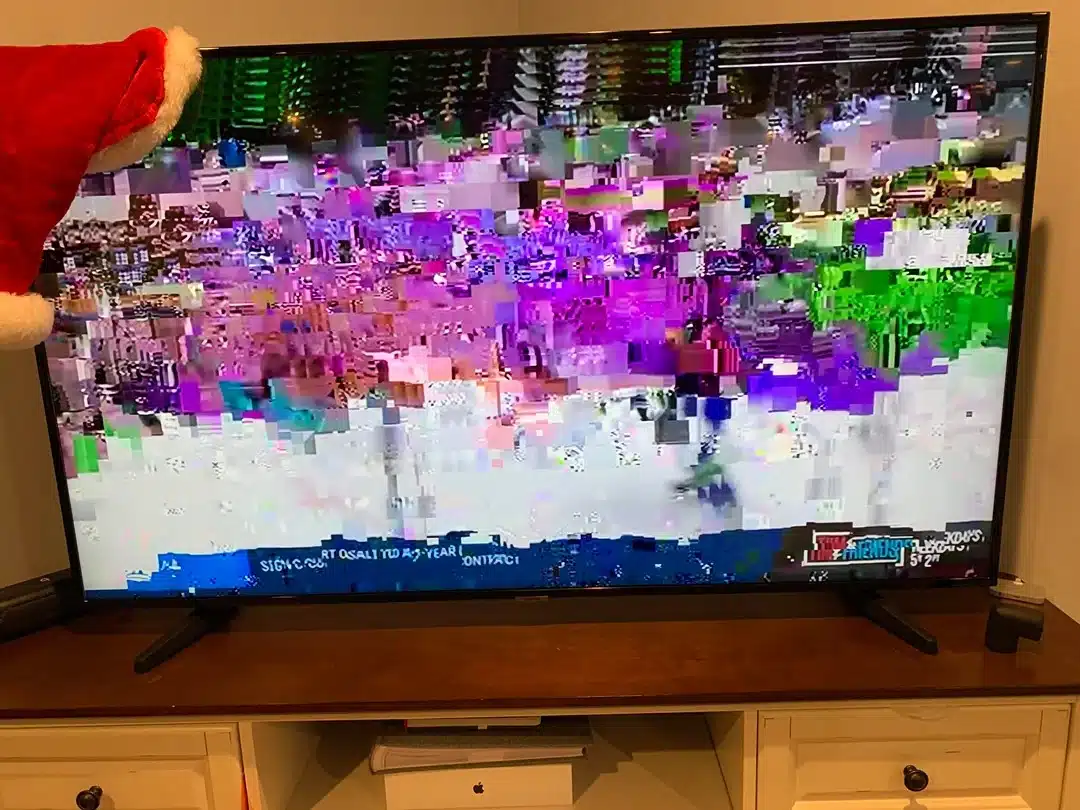
Pixelated or blocky video
Frozen picture
Audio dropouts
"Searching for Satellite Signal" messages
Temporary loss of programming during storms
Intermittent service during heavy rainfall
Cause: Rain Fade
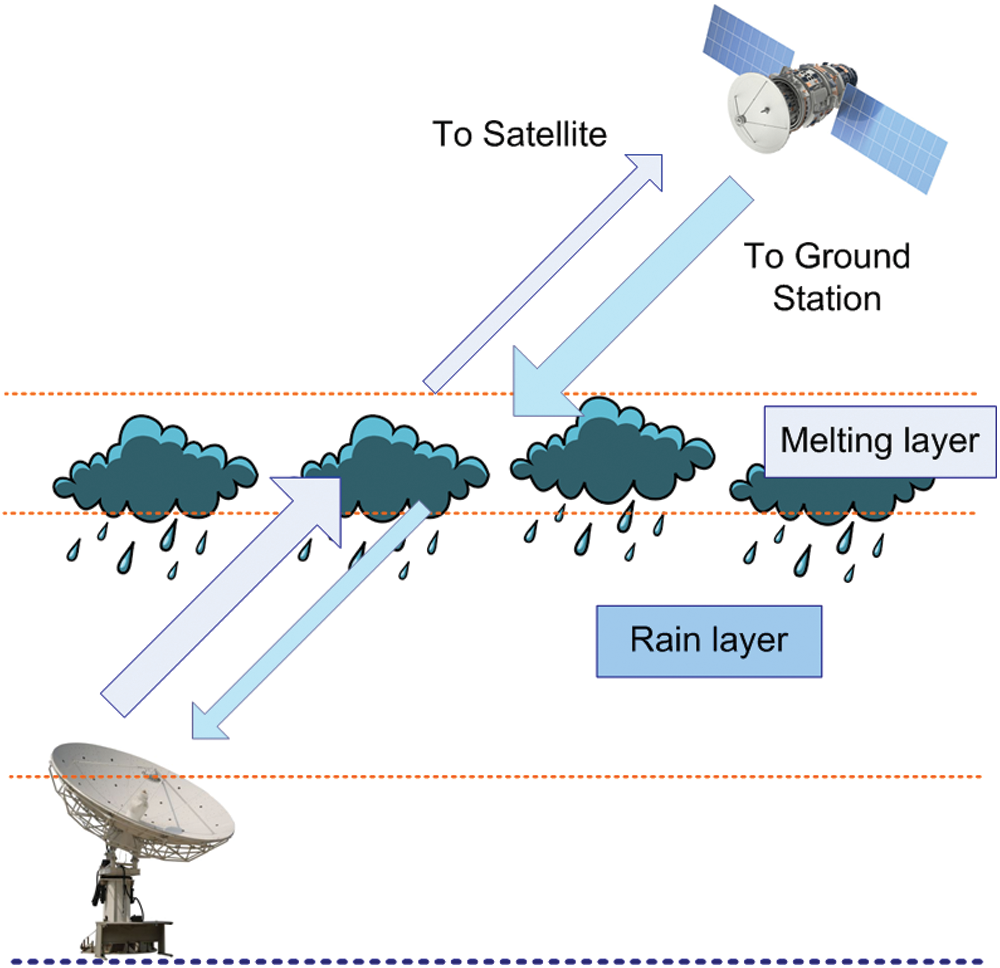
DIRECTV satellite television service relies on signals transmitted from satellites to the customer's satellite dish. During heavy rain, thunderstorms, dense cloud cover, or severe weather, moisture in the atmosphere can weaken or scatter the satellite signal before it reaches the dish.
This condition is commonly known as rain fade.
Unlike older analog television systems, digital satellite signals do not gradually degrade. When the signal falls below the minimum threshold required by the receiver, customers may experience:
Pixelization
Freezing
Audio interruptions
Complete signal loss
Factors That Can Increase Rain Fade
Rain fade can become more noticeable when:
Rainfall is extremely heavy
Water accumulates on the dish or LNB (Low Noise Block receiver)
The satellite dish is slightly out of alignment
Trees or other obstructions are in the signal path
High winds have shifted the dish position
A properly aligned dish can typically withstand light to moderate rain; however, temporary signal loss during severe weather is normal and expected.
Genie and Genie Mini Impact
The Genie Mini does not receive satellite signals directly. Instead, it relies on the Genie DVR to receive and distribute programming throughout the home.
When rain fade affects the satellite signal:
The Genie DVR loses or degrades the incoming signal.
The Genie Mini receives the same degraded signal from the Genie.
Both devices may display pixelization, freezing, or signal loss.
Because the Genie Mini depends on the Genie DVR, weather-related signal issues generally affect both devices simultaneously.
Pixelization on the TV:
Alternative Viewing Option: DIRECTV App
Customers can continue watching television using the DIRECTV app if their internet connection remains available during the weather event.
Features Available Through the DIRECTV App
Live TV streaming
On-demand programming
Access to eligible DVR recordings
DVR management features (depending on account type and equipment)
Getting Started
Download the DIRECTV app on a smartphone or tablet.
Sign in using the customer's DIRECTV account credentials.
Select Live TV or On Demand content.
Viewing Genie DVR Recordings
To stream recordings stored on the Genie DVR:
The Genie must be connected to the internet.
The mobile device may need to be connected to the same home network.
Certain recordings may be restricted from streaming due to content licensing rules.
Troubleshooting Checklist
If customers experience frequent signal loss outside of severe weather conditions:
Gather the DirecTV account # and the exact spelling of their last name on their DirecTV account.
Get the Receiver ID from the back of the receiver and the Access card # from the card on the front facing of the receiver.
Error codes on all channels- All TVs connected to DirecTV device?
Inspect cables and connectors for damage or corrosion.
Check for new tree growth or other obstructions.
Confirm the dish has not shifted due to wind or physical impact.
Reboot the Genie DVR and Genie Mini.
Review signal strength readings through receiver diagnostics.
Frequently Asked Question
Why can I watch through the DIRECTV app when my TV loses satellite signal?
The DIRECTV app streams programming over the internet rather than through the satellite dish. During rain fade, the satellite signal may be interrupted while the customer's internet connection remains operational, allowing continued viewing through the app.
Is rain fade a service outage?
No. Rain fade is a temporary environmental condition that affects satellite signal reception. Service typically returns automatically when weather conditions improve.
Does rain fade indicate faulty equipment?
Not necessarily. Brief signal interruptions during severe weather are normal. However, frequent issues during mild weather may indicate dish alignment, equipment, or obstruction problems that require inspection.
This version is formatted in a typical help desk/knowledge base style with symptoms, cause, impact, troubleshooting, and FAQs.
Was this article helpful?
That’s Great!
Thank you for your feedback
Sorry! We couldn't be helpful
Thank you for your feedback
Feedback sent
We appreciate your effort and will try to fix the article